Postpartum Depression & Anxiety Therapy
What is postpartum depression and anxiety?
Postpartum depression and postpartum anxiety are common, treatable mood conditions that can start during pregnancy or any time in the first year after birth. About 1 in 8 women report symptoms of postpartum depression (CDC), and up to 1 in 5 parents experience depression and/or anxiety in the first year (Postpartum Support International). You don’t need a diagnosis, or to be “bad enough,” to reach out.
Is it the baby blues, or something more?
Baby blues
- Starts in the first few days after birth
- Fades within about two weeks
- Tearful, moody, overwhelmed, but still mostly yourself
- Helped by rest, support and time
Postpartum depression or anxiety
- Can start in pregnancy or any time in the first year
- Lasts longer than two weeks, or gets worse
- Sadness, worry, irritability or numbness that gets in the way of daily life
- Very treatable with specialized therapy, sometimes with medication
Common signs: constant worry or racing thoughts · feeling sad, empty or numb · irritability or rage · trouble sleeping even when you can · feeling disconnected from your baby · scary, unwanted thoughts · feeling like you’ve lost yourself
How therapy helps
Our therapy is warm, but it’s also practical. We don’t just listen; we give you tools that work in real life with a baby.
Calm your nervous system
Learn skills to quiet racing thoughts, ease physical anxiety and get back to sleep.
Break the patterns
Spot the thoughts and expectations feeding guilt and worry, and build new ways of thinking.
Feel like you again
Reconnect with your baby, your partner and yourself, on a plan built around your life.
Our perinatal-trained clinicians use proven approaches including CBT, ACT, EMDR, mindfulness, IFS and clinical hypnosis.
Who you’ll work with
Every one of our clinicians has specialized training in perinatal mental health. We’ll match you with the therapist who fits your needs, your schedule and your insurance.
 Amy Chouinard
 Dawn Monahan
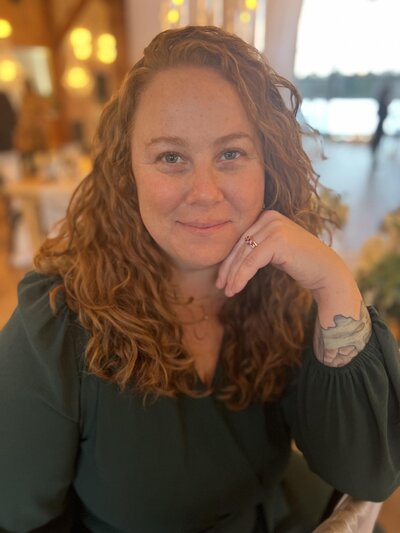 Stevi Gelinas
 Alexis Reale
 Meghan Santos
 Sondra Cullen
 Nuala Tzovolos
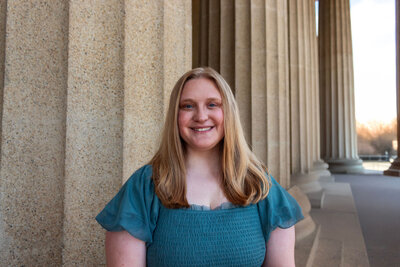 Libby Green
 Noreen Ahmed
 Ellen Kittle
Sessions are available virtually anywhere in New Hampshire, or in person at 23 Stiles Road, Suite 217, Salem, NH. We accept Anthem Blue Cross Blue Shield, Aetna, Cigna, UnitedHealthcare/Optum, Harvard Pilgrim, Health Plans Inc., Ambetter, Wellpoint and Tricare (authorized provider), plus NH Medicaid through NH Healthy Families, AmeriHealth Caritas New Hampshire and WellSense. Each therapist is in-network with different plans, so we'll match you with a clinician who takes your insurance. If your plan isn't listed, we can help you use your out-of-network benefits.
Virtual sessions statewide · In person in Salem, NH
Insurance & Virtual Sessions

we can help
Whatever you’re facing, you don’t have to go through it alone. Whether you're dealing with postpartum struggles, fertility challenges, or loss, we're here to support you in finding peace, healing, and strength. You deserve to feel heard and healed.


